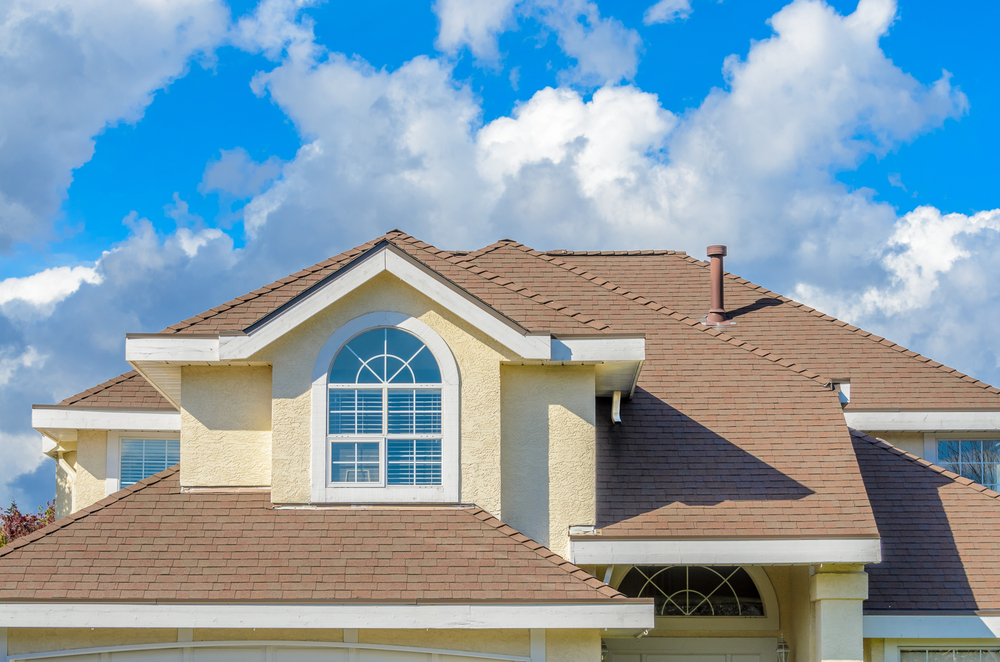

Maintaining a secure home starts at the very top of your property, where weather conditions constantly test the durability of your asphalt shingle roof. Have you ever wondered what happens when a minor leak goes unnoticed for several months or even years? High winds, heavy rain, and harsh sunlight break down materials over time, requiring prompt attention to prevent serious internal leaks.
Recognizing these issues early allows you to perform necessary roof repair before water intrusion destroys your valuable interior ceilings. At Award Roofing, we specialize in identifying these subtle vulnerabilities before they become catastrophic. Learning how to properly repair asphalt shingles is an essential skill that empowers homeowners to protect their structural integrity and long-term financial investment.
The Value of Early Intervention
Learning how to fix a damaged shingle saves money while extending the overall lifespan of your residential property. You can protect your significant financial investment with a few basic tools and the right procedural knowledge. However, for those who prefer the peace of mind that comes with professional oversight, our roofing contractors in Alpharetta offer in-depth inspection services to evaluate the exact methods needed to execute an effective shingle roof repair.
A well-maintained shingle roof protects your family from harsh weather and makes sure your roofing systems remain functional for decades. Consistent maintenance prevents the need to replace asphalt sections prematurely, which can save thousands of dollars in labor and material costs over time. The structural health of your home depends heavily on the condition of the outermost protective layer. When moisture penetrates the primary barrier, it begins to degrade the plywood decking and the internal rafters. This degradation often leads to mold growth, which poses significant health risks to everyone living inside the house.
Spotting Vulnerabilities: A Guide to Shingle Deterioration
Homeowners must inspect their roof shingles regularly to spot problems early and prevent catastrophic moisture damage. You should look for specific signs of wear after major storm systems pass through your local area. Finding a damaged shingle quickly prevents water from rotting the underlying wood structure of your home. If you ignore these signs, the eventual repair cost will far exceed the price of simple preventative maintenance. A thorough roof shingle evaluation should include checking for cracks, missing granules, and signs of organic growth like moss or algae.
Curling edges, surface cracks, and complete material loss signal immediate trouble for your shingle roof. Performing a regular roof inspection helps you catch minor issues early before they escalate into major expenses. This is where the expertise of Award Roofing becomes invaluable; our technicians are trained to see what the average eye might miss. Missing shingles leave the vulnerable underlayment exposed to direct rainfall, heavy snow, and damaging wind currents. When the shingle damage becomes widespread, you may need to consult a roofing contractor to discuss more extensive solutions.
The Role of Thermal Stress
Thermal expansion and contraction also play a major role in the degradation of your roofing materials. During the day, the sun heats the shingles, causing them to expand, while the cool night air causes them to shrink. Over several years, this constant movement can cause the shingles to become brittle and eventually crack or split. Identifying these thermal cracks early allows you to seal them before they allow water to seep into the home’s interior. Regular observation is the only way to guarantee these small fissures do not turn into major leaks during the next downpour.
Visual Inspections and Maintenance for Asphalt Surfaces
You might notice a loose shingle flapping during strong gusts of wind, which indicates failing adhesive seals. Small granules washing into your gutter guard systems also indicate significant roof shingle degradation across the surface. Heavy storms cause significant shingle damage that requires prompt attention from proactive property owners. If you notice large amounts of grit in your gutter guards, the protective layer of your asphalt shingle roof is likely thinning. A clogged gutter guard can also cause water to back up under the shingles, leading to ice dams in colder climates.
Evaluating the condition of your roof shingle requires patience and a keen eye for subtle changes. You must document any suspicious areas and monitor them closely throughout the changing weather seasons. Understanding these warning signs helps you plan your next maintenance steps with confidence and clarity. In addition to visual checks from the ground, a closer inspection from a ladder may be necessary for accuracy. Look for “blistering,” which occurs when moisture trapped inside the shingle expands due to heat. This condition often indicates poor attic ventilation, which can bake the shingles from the underside and shorten their lifespan. Addressing ventilation issues is a core part of the Award Roofing service model, keeping your roof breathing properly to maximize its years of service.
How to Properly Repair Roof Shingle Damage: A Step-by-Step Guide
To repair roof shingles effectively, you must first gather the necessary materials to secure a watertight seal. You will need a pry bar, roofing nails, and high-quality roofing cement to complete the job correctly.
- Loosen the Seal: Start by carefully sliding the pry bar under the surrounding shingle to loosen the sealant strip without causing further breakage.
- Remove Fasteners: Once the seal is broken, you can access the nails holding the damaged shingle in place and remove them safely.
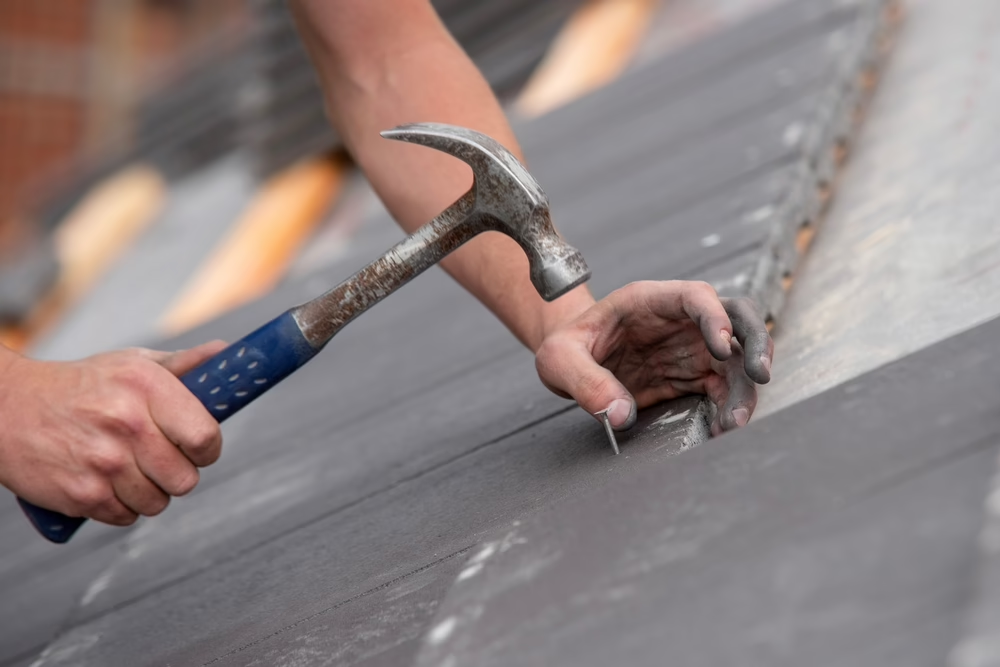
- Install the New Shingle: After removing the old material, slide a new asphalt shingle into the gap and align it with the existing rows.
- Secure and Seal: Secure the new piece using fresh roofing nails, making sure they are driven straight and flush. Apply a small amount of roofing sealant over the nail heads to prevent moisture from seeping through the entry points.
Keep the temperature above 40°F so the sealant strips can bond properly to the new material. For larger cracks that do not require full replacement, applying a bead of roofing sealant can provide a temporary fix. Carefully lift the edge of the damaged shingles and apply the roofing cement underneath to bond the layers back together. This method of shingle repair is ideal for minor wind damage or small punctures caused by falling debris.
Essential Tools and Safety for Maintenance
Having the right equipment is the difference between a successful roof repair and a recurring leak. A sturdy ladder, a hammer, and a sharp utility knife are fundamental requirements for any asphalt shingle project. You should also wear rubber-soled shoes to maintain traction. Safety should always be your primary concern when repairing roof sections high above the ground level. If the task feels daunting, our roofing company in Milton, GA provides professional-grade equipment and safety protocols to handle even the steepest pitches.
When selecting materials, make sure the color and style of your new asphalt shingles match your current roofing systems. Using the wrong type of roof shingle can create an unsightly patch and may affect the home’s curb appeal. Beyond the shingles themselves, don’t forget the importance of high-quality roofing sealant for flashing and joints. Properly sealed vents and chimneys are just as important as the asphalt shingle layers in preventing leaks. Investing in a high-quality caulk gun will help you apply sealant smoothly and consistently across all necessary joints.
Evaluating Roof Replacement vs. Repair Costs
At some point, every homeowner must decide between a minor shingle roof repair and a full roof replacement. If more than 30% of your asphalt shingle roof is damaged, a total replacement is usually more cost-effective. The installation cost for a new roof is a significant investment, but it provides peace of mind for twenty years or more. Award Roofing offers detailed consultations to help you weigh the removal cost of old materials against the benefits of starting fresh with modern technology.
When calculating your budget, remember to include the removal cost of the existing layers and any necessary foundation repair if leaks have reached the base. Energy efficiency is another factor; modern “cool roofs” are designed to reflect more sunlight and absorb less heat than standard shingles. This can lead to significant savings on your cooling bills during the hot summer months. If your current roof is nearing the end of its lifespan, the energy savings alone might justify the replacement. Always ask your Award Roofing representative about the latest technological advancements in roofing materials before making a final decision.
The Benefits of Professional Shingle Services
While DIY repair is an option for some, many jobs require the specialized expertise of a professional shingle installer. Complex roof lines or steep pitches can be dangerous for those without specialized training and safety gear. Award Roofing has the experience to spot hidden issues like mold or structural rot that an untrained eye might miss. Investing in a professional roof service makes sure the job is done right the first time and often comes with a warranty that a DIY fix cannot provide.
In conclusion, knowing how to properly repair asphalt shingles is a fundamental part of responsible homeownership. Whether you are performing a simple shingle repair or planning for a full roof replacement, staying proactive is key. By monitoring for damaged shingles and maintaining your gutter guards, you can avoid the high repair cost associated with neglect. Remember that a healthy asphalt shingle roof is your home’s first line of defense against the elements. Trusting a partner like Award Roofing guarantees that your roof remains a complex, functional system that protects your family and your financial future for years to come. Contact us today to get started.